“40 grains” search results (500)

Introduction to the flavor and taste of Colombian coffee manor characteristics of Colombian coffee boutique coffee beans
The pure taste of Colombian coffee comes from Colombia's natural environment with the most favorable conditions for coffee growth. But beyond that, it is inseparable from the hard work of local growers. In Colombia, coffee cultivation has reached 1.07 million hectares, there are about 302000 coffee plantations in the country, and 30 to 40 per cent of the rural population depends directly on coffee production. Columby
2016-07-21 Columbia coffee manor producing area flavor taste introduction characteristics boutique
The basic situation of Coffee Tree planting Coffee harvesting and processing
Timely harvest is an important link to ensure high coffee yield and improve product quality. The standard of harvest varies with different varieties: the harvest time of small seed coffee is more concentrated, and the fruit can be harvested when the fruit turns red, and it should be picked with ripening. If the fruit turns red completely, the fruit is easy to fall off. The harvest time of medium-and large-grain coffee is longer, and it can wait until more fruits are red or purple.
2015-10-07 Coffee planting foundation situation harvest processing timely guarantee coffee
Introduction of Guatemalan coffee producing areas with smooth taste and slightly charcoal-burning flavor in aromatic alcohol
The coffee produced in Guatemala is one of the top coffee in the world, because Guatemala is a high-altitude volcanic terrain, and these volcanoes are the ideal places to grow coffee. Compared with other varieties of coffee, critics prefer this mixed flavor coffee with spicy flavor. The extra hard coffee beans here are rare and good coffee. They are full of grains, delicious and sour.
2016-06-28 Taste smooth mellow medium charcoal roast Guatemala coffee
Introduction of fancy coffee introduction of low-cause Xianglong Comprehensive Coffee
1. Fancy coffee 1. Viennese symphonic coffee: hot coffee 7% full + right amount of cream + a little chocolate rice 2, cappuccino coffee: hot coffee 7% full + right amount of cream + a little cinnamon powder 3, Irish coffee: hot coffee 7% full + right amount of cream + 1 bottle cap brandy (or whisky) 4, rose coffee: hot coffee 7% full + right amount of cream + 2 roses 5, latte: Italian coffee 2
2016-06-08 Fancy Coffee introduction low cause Xianglong Comprehensive Vienna Symphony
How to select coffee beans by hand
Hand selection: is the step of removing impurities and bad beans attached to delicious coffee beans. Coffee beans are often mixed with foreign bodies, such as stones, sawdust, pieces of metal, grains of soil, fruit of trees, and sometimes coins and glass. In coffee production areas, specific gravity bean selector (using wind power to classify according to particle size and weight) or electronic bean selector (removing defective beans according to color) will be used to prevent it.
2014-08-05 Coffee beans how hand-selected is attached delicious coffee beans medium miscellaneous
The difference of story flavor and taste between Yunnan coffee iron card and Katim small grain coffee bean varieties
Typica and Bourbon, two classic high-quality coffee varieties, are the main coffee varieties in Yunnan. In 1991, a series of Catimor varieties were introduced from Kenya (stronger anti-virus ability and higher yield). A variety of Arabian species (also known as small seed species). Because the morphology and habits of the two varieties are similar, the two varieties are mostly mixed. Yunnan area
2015-03-14 Yunnan Coffee beans Variety pickup Typica Bobang Bourbon
The planting Environment of Coffee Bean in Colombia
The pure taste of Colombian coffee comes from Colombia's natural environment with the most favorable conditions for coffee growth. But beyond that, it is inseparable from the hard work of local growers. In Colombia, coffee cultivation has reached 1.07 million hectares, there are about 302000 coffee plantations in the country, and 30 to 40 per cent of the rural population depends directly on coffee production. Columby
2016-06-08 Columbia Coffee beans substance Morphology cultivation Environment Colombia Coffee Pure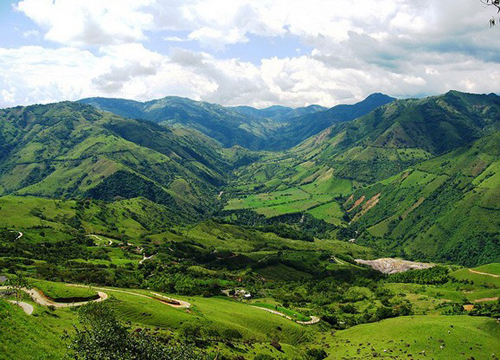
Brazilian Coffee Industry Brazilian Coffee production areas learn about Brazilian Coffee Industry
Coffee industry in Brazil Coffee is a traditional industry in Brazil. Since 1960, coffee cultivation in Brazil has been ranked first in the world, with an average annual output of 24.6 million bags (60 kg each). In 2002, due to favorable weather and a good year for coffee production, Brazilian coffee reached the best level in history, reaching 47.2 million bags, an increase of 59.6 per cent over 28.137 million bags in 2001. According to the United States Department of Agriculture 20
2016-03-17 Brazil Coffee Industry producing area understanding tradition 196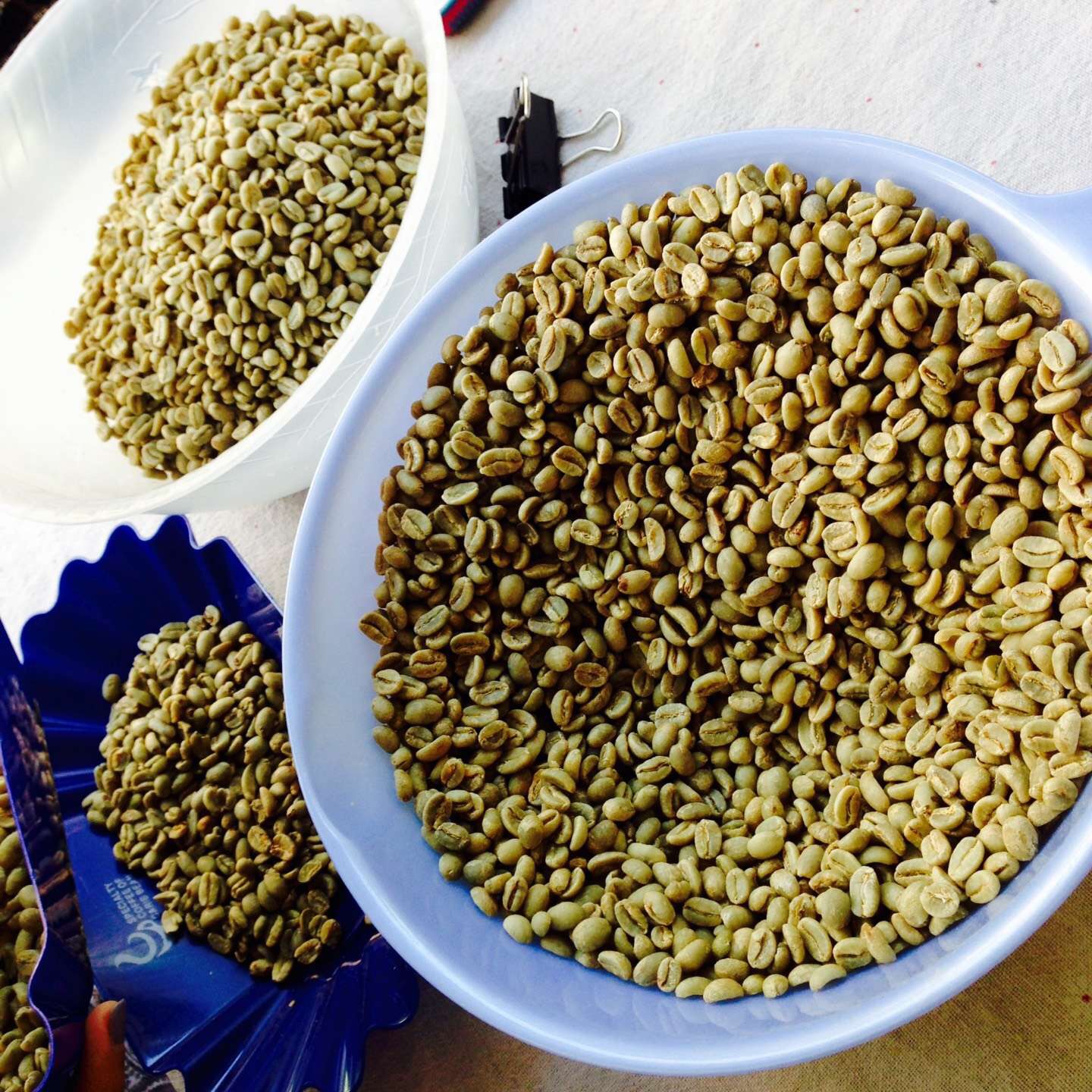
Teach you how to manually select coffee beans and coffee defective beans-introduction to coffee
Guide: hand-selected: it is a step to remove impurities and bad beans attached to delicious coffee beans. Coffee beans are often mixed with foreign bodies, such as stones, sawdust, pieces of metal, grains of soil, fruit of trees, and sometimes coins and glass. I agree with the saying that apples don't taste different because of their size, but when it comes to roasting coffee beans, they all have to be heated anyway.
2015-11-26 Teach you how to handicraft selection coffee beans coffee defects introduction
Planting Environment and species Morphology of Colombian Coffee
The pure taste of Colombian coffee comes from Colombia's natural environment with the most favorable conditions for coffee growth. But beyond that, it is inseparable from the hard work of local growers. In Colombia, coffee cultivation has reached 1.07 million hectares, there are about 302000 coffee plantations in the country, and 30 to 40 per cent of the rural population depends directly on coffee production. Columby
2016-06-12 Colombia Coffee planting Environment species Morphology Pure
Basic knowledge of how to select coffee beans by hand
Hand selection: is the step of removing impurities and bad beans attached to delicious coffee beans. Coffee beans are often mixed with foreign bodies, such as stones, sawdust, pieces of metal, grains of soil, fruit of trees, and sometimes coins and glass. In coffee production areas, specific gravity bean selector (using wind power to classify according to particle size and weight) or electronic bean selector (removing defective beans according to color) will be used to prevent it.
2015-03-24 Coffee beans how hand selection selection basics common sense
Chinese coffee has experienced a low period of national macro-adjustment.
In August 1960, the CPC Central Committee put forward the eight-character policy of readjusting, consolidating, enriching, and improving, and once again stressed the need to shorten the capital construction front. It was only after the 7,000-member meeting was held in early 1962 that the Central Committee gradually agreed. In April 1962, after the Central Financial and Economic Group approved and transferred the report of the Central Financial and Economic Group on discussing the 1962 adjustment plan, it was only after the Central Committee of the Central Committee of Finance and Economics approved and transferred the report of the Central Financial and Economic Group on the discussion of the 1962 adjustment plan that the problem that the infrastructure front had been too long for many years was taken seriously.
2015-02-07 China Coffee experience country Macro Adjustment low 1960 August
The difference between the three native species of coffee and the introduction of Arabica and Robusta
Coffee belongs to the evergreen shrub of the genus Rubiaceae, which is centered in the tropics. There are about 6000 species of Rubiaceae belonging to 500 genera. Coffee has always been considered to have certain effects, such as invigorating the stomach, waking up the brain, stopping bleeding, dissipating heat, strengthening the body and so on. There are about 40 species of coffee plants, but the only ones that can produce coffee beans of commercial value are Arabica, Robusta and Libby.
2016-01-04 Coffee three native species difference rabbi Robbins Booth introduction
mesocarp fleshy, sweet Colombia Hope Manor Coffee Flavor Taste
The pure flavor of Colombia coffee comes from the natural environment of Colombia, which has the most favorable conditions for coffee growth. But beyond that, it is inseparable from the hard work of local growers. In Colombia, coffee is cultivated on 1.07 million hectares, there are about 302,000 coffee plantations in the country, and 30 to 40 per cent of the rural population depends directly on coffee production. Colombia
2016-09-12 mesocarp fleshy sweet Colombia hope manor coffee flavor taste
Columbia Huilan Coffee Flavor description Grinding characteristics Variety producing area Taste Manor
The pure taste of Colombian coffee comes from Colombia's natural environment with the most favorable conditions for coffee growth. But beyond that, it is inseparable from the hard work of local growers. In Colombia, coffee cultivation has reached 1.07 million hectares, there are about 302000 coffee plantations in the country, and 30 to 40 per cent of the rural population depends directly on coffee production. Columby
2016-10-13 Columbia Huilan Coffee Flavor description Grinding characteristics Variety producing area mouth
Siphon coffee brewing
Siphon coffee pot is also called plug air pot, because it uses the principle of steam pressure, so it is also called steam coffee pot. It is the most common method of making coffee and is mainly suitable for single coffee. It was founded by British marine engineer Robnewall in 1840, evolved into its present form at the beginning of the 20th century, and then spread to Japan from the United States. Features: coffee beans can be seen brewing into coffee
2014-08-26 Coffee knowledge siphon pot coffee coffee brewing method
Yunnan coffee Yunnan small grain coffee Yunnan boutique coffee
Yunnan small-grain coffee in China is a beverage crop with high economic value, which is called the three largest beverages in the world together with cocoa and tea, and its output and consumption ranks first among the three beverages. Coffee is rich in protein, fat, sucrose, starch, glucose, caffeine and other substances, rich aroma and delicious taste. Coffee is a perennial evergreen shrub of the genus Coffee of Rubiaceae or Xiao Qiao.
2014-09-16 Yunnan coffee Yunnan small grain coffee Yunnan boutique coffee
Introduction to high-quality coffee in manor area with a taste of Guatemalan coffee with similar acidity
Some people say that you will see a wonderful story in the unique smoky taste of a cup of Antigua coffee in Guatemala. It is a story about Indians. Drinking pure Antigua coffee from Guatemala and playing a South American folk song. Our thoughts can be pulled far away, as far as we have never met before. The wisdom that once existed in the land of Guatemala
2016-08-29 With similar fruit acid Guatemala coffee flavor taste manor producing area essence
Coffee technology How to hand-pick coffee beans and defective coffee beans
It is a step to remove impurities and bad beans attached to delicious coffee beans. Coffee beans are often mixed with foreign matter, such as stones, wood chips, metal pieces, soil particles, tree fruits, etc., and sometimes coins and glass pieces. Apples don't taste different depending on their size. I agree with that, but in the roasting of coffee beans, it's all heated anyway. Coffee beans vary in size.
2014-10-17 Coffee knowledge Coffee techniques Hand picked coffee beans Coffee defective beans
Basic knowledge of boutique coffee how to select coffee beans by hand
Hand selection: is the step of removing impurities and bad beans attached to delicious coffee beans. Coffee beans are often mixed with foreign bodies, such as stones, sawdust, pieces of metal, grains of soil, fruit of trees, and sometimes coins and glass. In coffee production areas, specific gravity bean selector (using wind power to classify according to particle size and weight) or electronic bean selector (removing defective beans according to color) will be used to prevent it.
2014-12-16 Boutique coffee basics common sense coffee beans how hand-selected is to attach